

Where there are no roads, no electricity, and no schools, we built 1,356 of them.
For over four decades, The Art of Living has run free schools in India's most remote tribal and rural areas. 1,20,000+ children are learning today because someone like you chose to help.
All donations are eligible for tax exemption under Section 80G of the Income Tax Act.
Free Education for Every Child
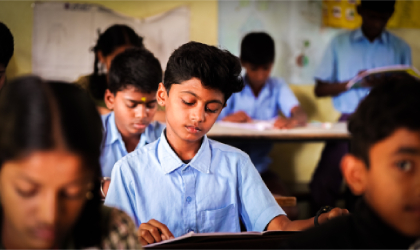
The Art of Living Social Projects, through Vyakti Vikas Kendra India (VVKI), runs 1,356 free schools across 22 states in India. These schools serve children from tribal, rural, and underserved communities, most of whom are the first in their families to ever receive a formal education.
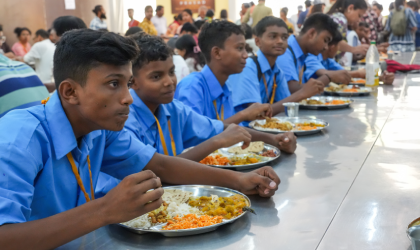
Everything is provided free: uniforms, shoes, books, writing materials, midday meals, and transport where needed. There is no financial barrier to attending.
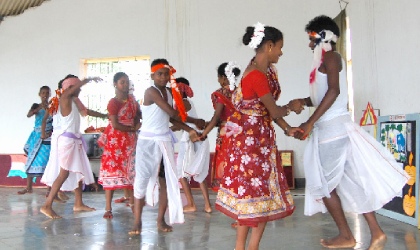
Our curriculum follows the state NCERT syllabus alongside yoga, meditation, music, dance, drawing, sports, and practical skills.
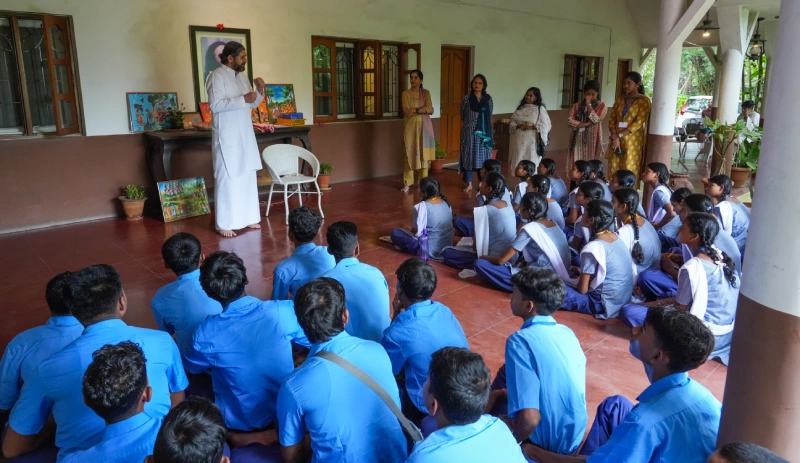
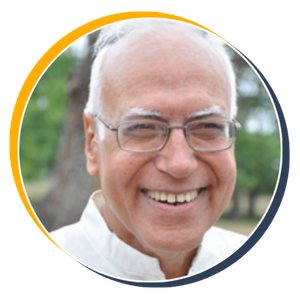
"Building a school is easy. Building a tribal child into a confident person, capable to not just make a living but live a joyous life and be of service to the community, that's a life long commitment for us."— Brij Chawla, Director, Tribal School Project
The gap is real. It's also fixable.
No child should be denied an education because of where they were born.
Most children who come to our schools are the first in their families, across generations, to ever sit in a classroom. The barriers are practical:
- Distance: Some schools are 30 km from the nearest main road, reachable only by country paths through forests.
- Cost: Uniforms, books, shoes, meals — expenses that families earning daily wages cannot bear.
- Awareness: In communities where no one has been to school, the value of education has to be demonstrated, not assumed.
- Retention: Children are often needed at home for farming or household work. Keeping them in school requires sustained community engagement.
These are not unsolvable problems. They are the exact problems your support helps us address every day.
Education That Starts With the Community
Our strategy is built on three pillars, developed and refined over four decades.
We Go to the Community First
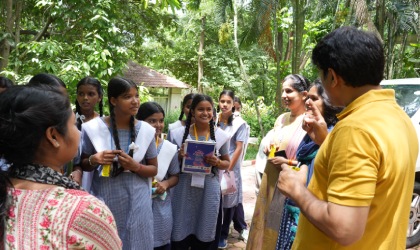
Teachers are recruited from the local community. They speak the language, know the families, and stay.
Everything Is Free
Uniforms, shoes, books, meals, bus service — all provided at no cost. There is no financial barrier to attending.
More Than Textbooks
Alongside the NCERT syllabus, students learn yoga, meditation, music, sports, and practical skills. Our schools have produced state-level athletes and JRD Tata Fellowship winners.
A Day in Our Schools
Our Impact
In Their Own Words
Babita Patar graduated from Sri Sri Vidya Mandir in Ghatshila, Jharkhand, in the 2013 batch. She now teaches at Kesarpur School, a branch of the same institution under Vyakti Vikas Kendra India. In her own words: "I'm grateful to our teachers for the quality education they gave us."

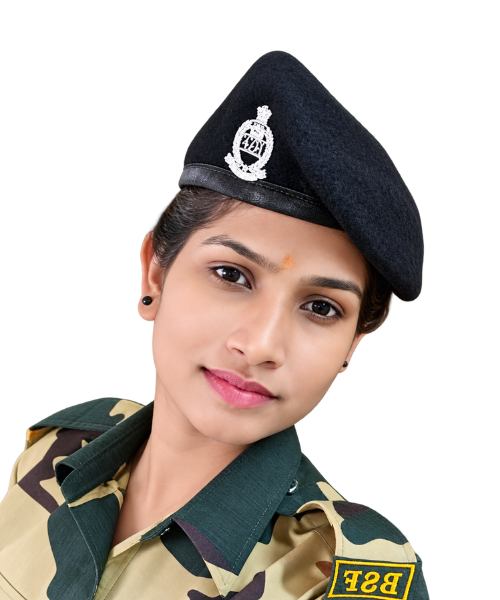
"I come from a family that couldn't afford English-medium education. Thanks to Sri Sri Vidya Mandir, I am now a BSF personnel."
Sima Gope
The Village Girl Who Guards India's Border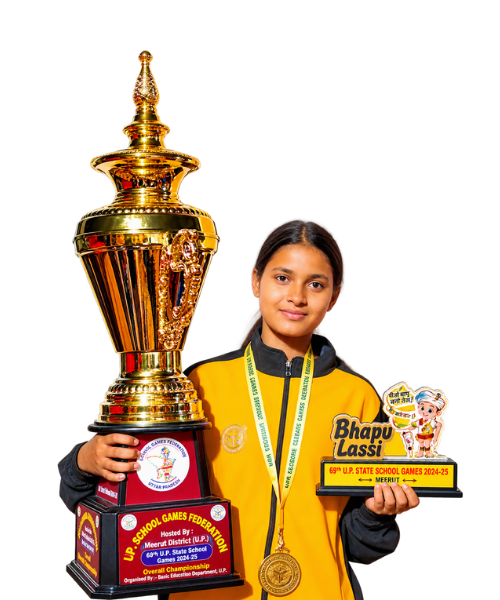
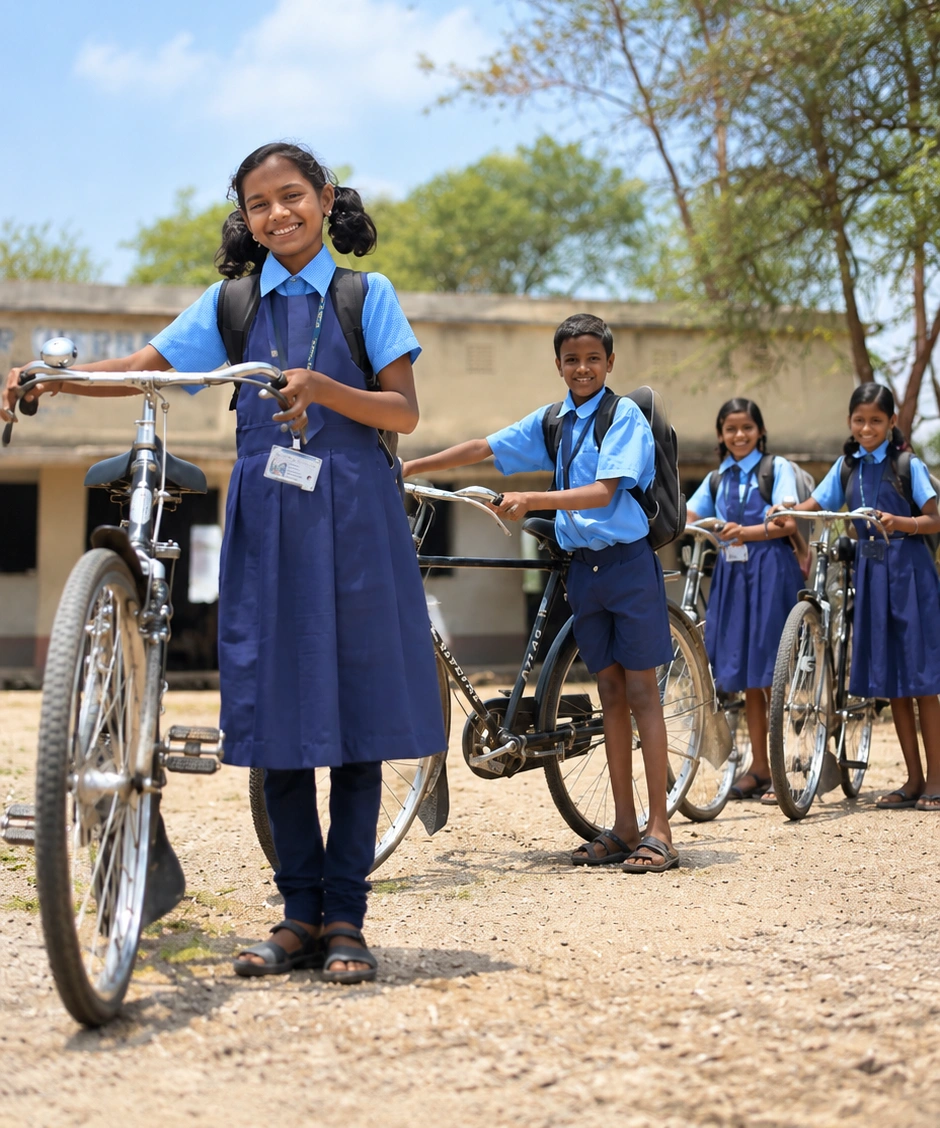
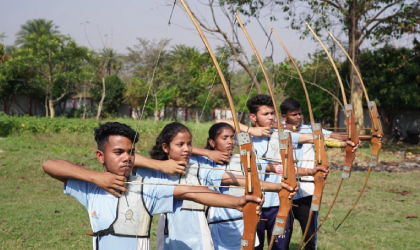
Alomani cycles 36 km a day to school. This year she won National Gold in Under-14 Archery. Help keep her school running.
Alomani Mahato
Gold at the National Games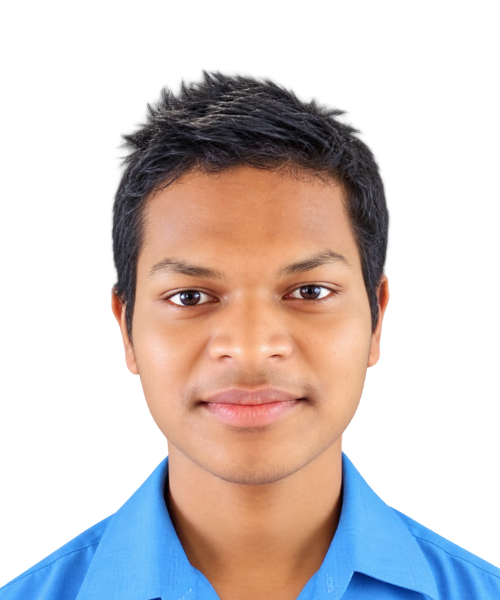
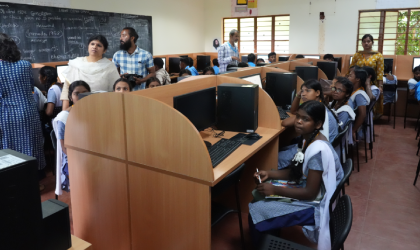
A daily-wage labourer's son nearly left school. Today, in Class XII, Santosh manages the school's STEM lab, where he first learned to code.
Santosh Singh
From a Labourer's Son to the STEM Lab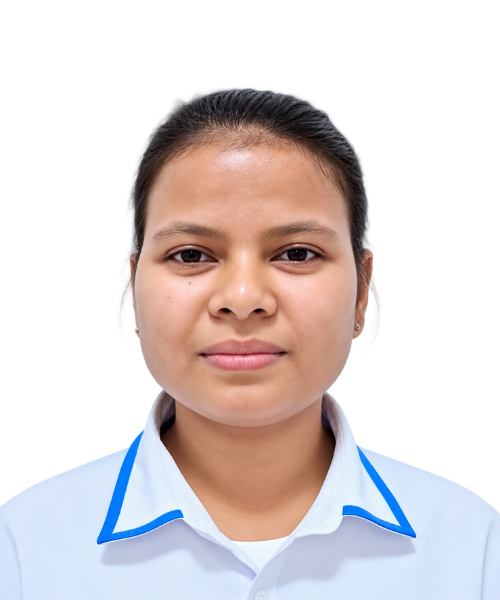
Sumitra grew up in a tribal village with little access to good schools. Today she's a nurse midwife and supports her family.
Sumitra Hansda
From a Tribal Village to a Working Nurse
A tribal farmer's daughter from a free village school, Saloni earned her Tata Steel apprenticeship on merit. Your support builds the next one.
Saloni Murmu
84.4% and a Seat at Tata Steel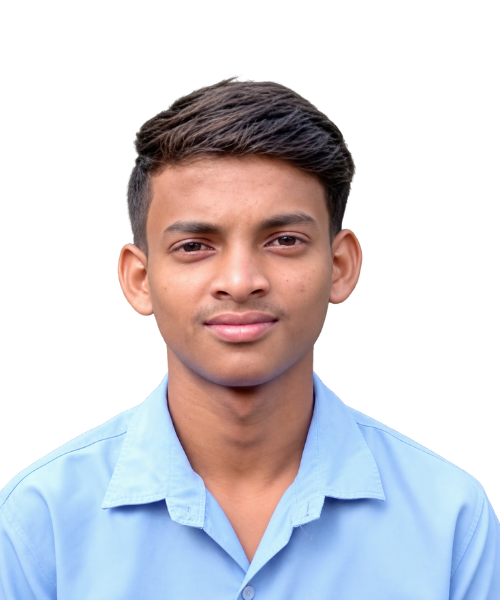
Avinash studied at SSVM from primary through Class X. Today he works at Bajaj Finance, studies for his degree and supports his family.
Avinash Mardi
From a Tribal Village to a Working Engineer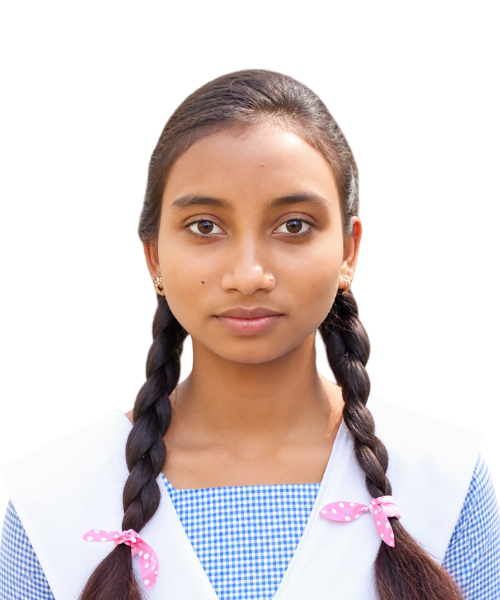
After eleven years at SSVM, Divya works as a manager, studies Bio-Science and is preparing for medical entrance exams.
Divya Patra
Earning Her Own Living, Studying to Be a Doctor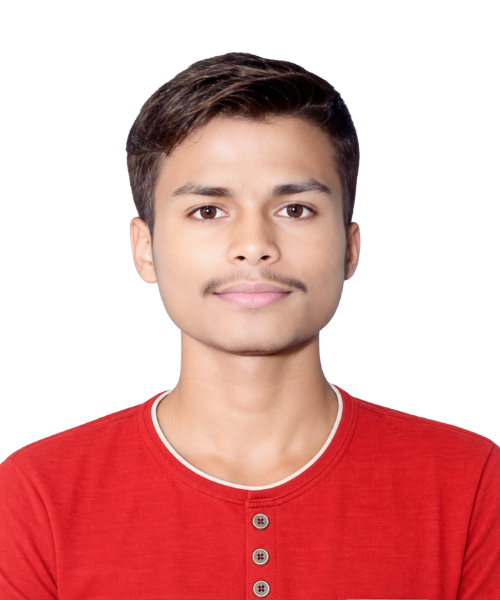
A farmer's son from a Jharkhand village, Rohan scored 83.4% at SSVM and now studies B.Tech in Computer Science.
Rohan Gope
83.4% and a B.Tech on the Way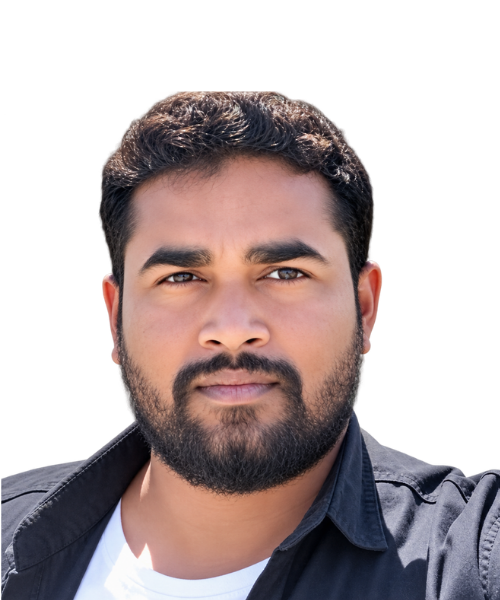
Sanjib's village had no proper school until SSVM opened. Today he works at Daimler and gives ₹1,000 a month back to the school.
Sanjib Das
From a Tribal School to Mercedes-Benz
Shilpa lost her father in 2025. A full scholarship, free meals and her school have kept her learning ever since.
Shilpa Tudu
She Lost Her Father. She Didn't Lose Her Education
Besides academics, we learn computer skills, robot programming, drawing, football, and archery. My parents are proud. I want to join the Indian Armed Forces.
Anil Kumar Murmu
Class IX · Hendaljuri, Jharkhand
The nurturing environment here encourages every child's progress. It's remarkable that children can access a school that inspires excellence in such a remote area.
Sudhanshu Sahoo
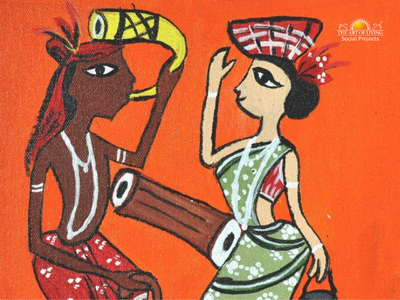
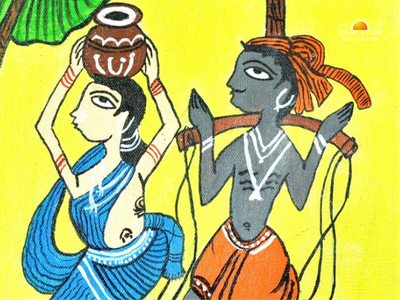
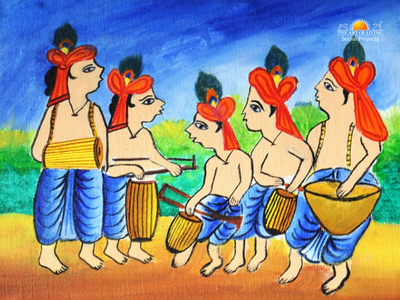
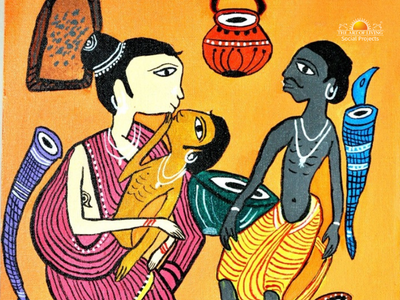
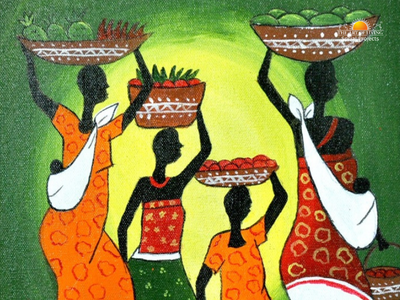
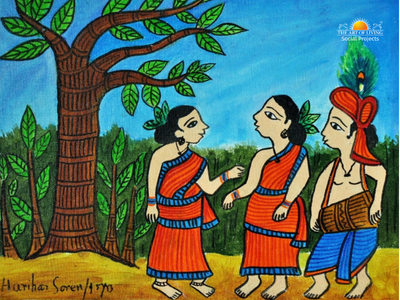
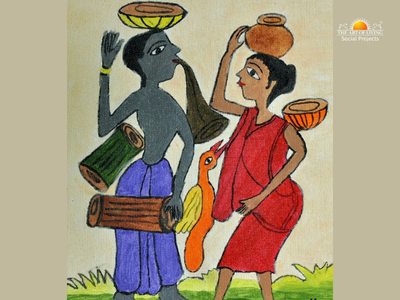
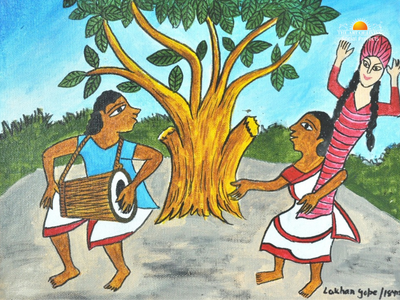
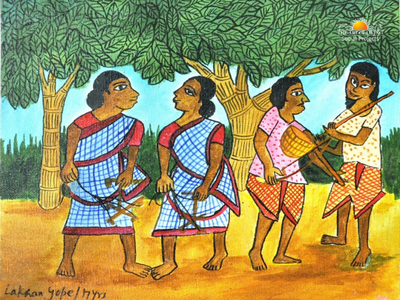
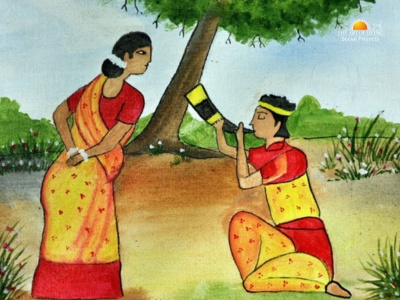
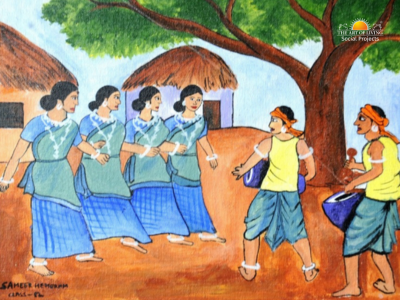
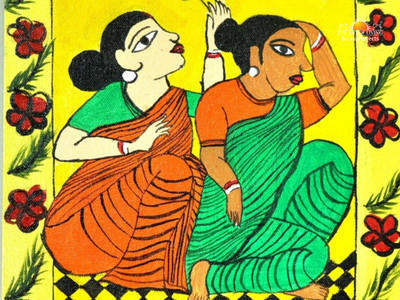
Teacher since 2018 · Hendaljuri, JharkhandPainted by Our Students
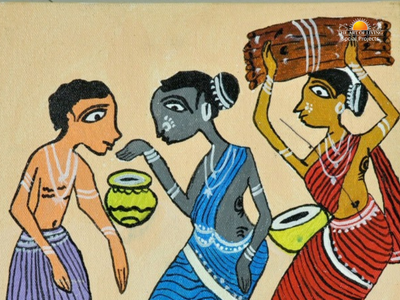
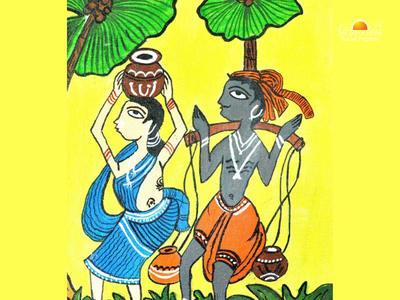
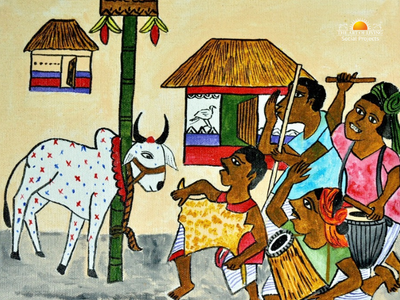
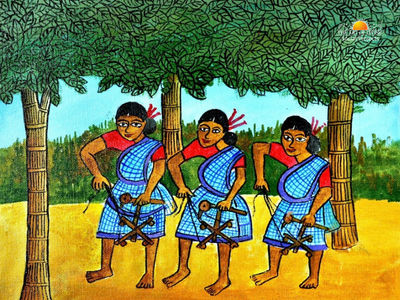
Art is part of the curriculum. These are by children from our tribal and rural schools.
Where Your Donation Goes
All donations go into a common pool that funds school operations across our network.
Every rupee is accounted for.
Awards and Recognition

Model School Nomination
Govt. of Maharashtra, 2019

JRD Jyoti Fellowship
Two consecutive years — 2023 & 2024
HCL-ICC Archery, 2024
Gold, Silver & 2 Silvers — Ghatsila
MoTA Partnership
Centers of Excellence — Jharkhand
& Chhattisgarh
PNB Housing & Pahel Foundation
School infrastructure, computer labs & solar energy
138 Libraries
19 states, 11 languages, since 2012
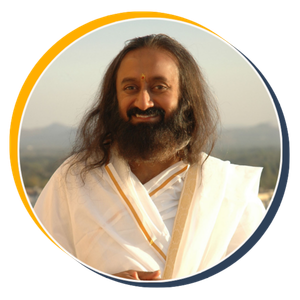
The Art of Living, founded by Gurudev Sri Sri Ravi Shankar, is present in 156 countries with 30,000+ teachers and millions of volunteers worldwide.
Gurudev has been awarded the Padma Vibhushan (India's second-highest civilian honour) and has received the highest civilian awards from the governments of Colombia, Mongolia, Paraguay, and Suriname, along with 25 honorary doctorates from universities worldwide.
Our school infrastructure partners include:


We've reached 1,356 schools. The work isn't done.
Right now, there are schools running under tin sheds. There are villages where children walk two hours each way because there is no bus. There are classrooms with no computers, no library, no electricity. Each of these is fixable.
You donate any amount
It enters the common pool funding 1,356 schools
A child gets a teacher, a meal, a book, and a future
Your contribution doesn't disappear into a fund. It pays a teacher's salary. It puts a meal on a plate. It keeps a classroom open.
All donations are eligible for tax exemption under Section 80G of the Income Tax Act.