
A Peaceful Home for India's Indigenous Cows
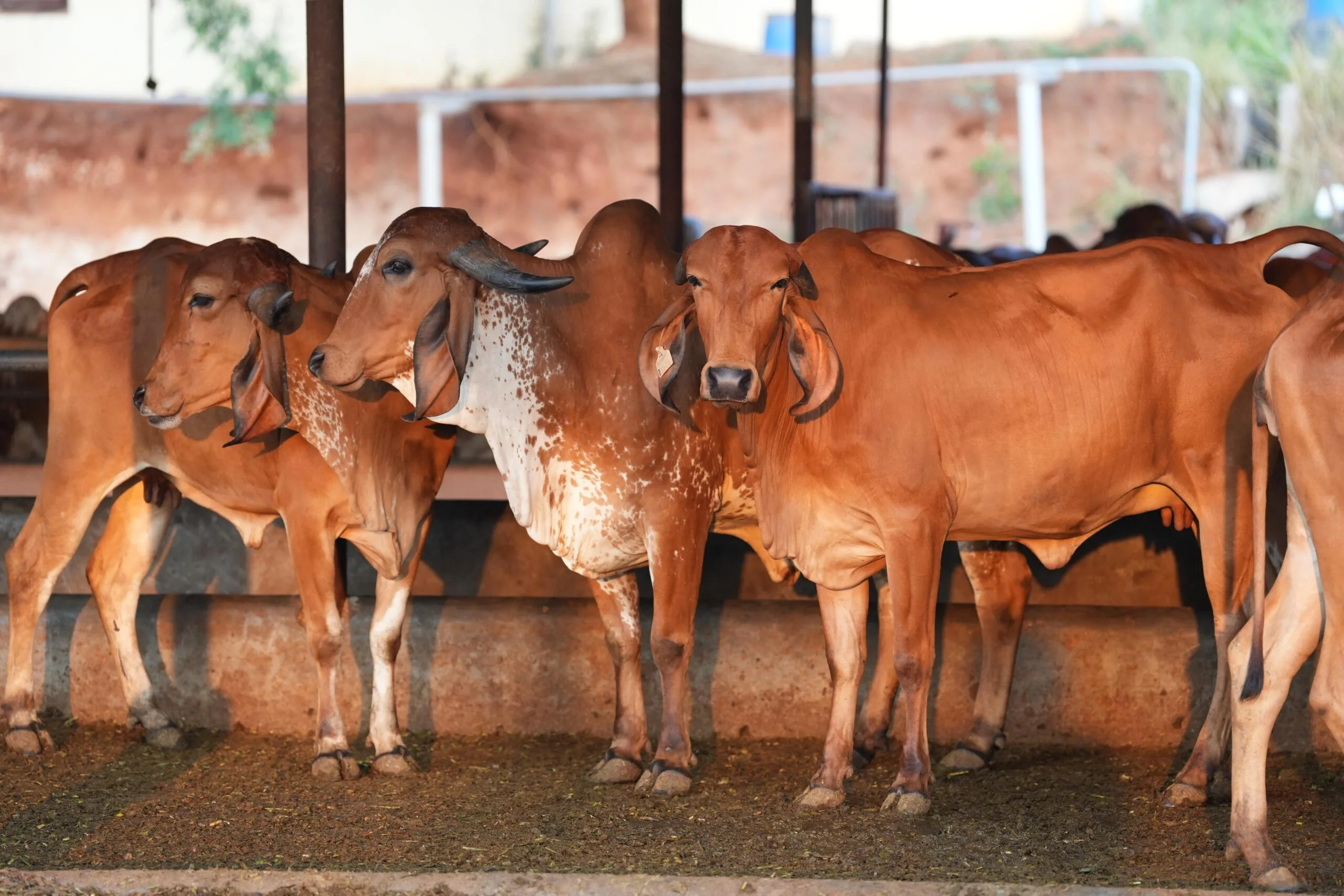
Sri Sri Gaushala is a sanctuary of compassion, tradition, and service — home to 2,000+ indigenous cows of 19 native breeds, cared for with love since 2002. Inspired by the vision of Gurudev Sri Sri Ravi Shankar.
Where Every Cow Is Family, Every Life Is Sacred
Sri Sri Gaushala began in 2002 with just two cows and a simple intention — to protect and celebrate India's indigenous cow breeds. Located at the Art of Living International Center in Bengaluru, it has grown into one of India's most respected gaushalas.
Today, it is home to over 1,600 cows from 19 native breeds including Gir, Sahiwal, Kankrej, Ongole, Hallikar, Tharparkar, and others. Every cow here lives freely in a natural environment. No cow is forced for milk or labour. Old, injured, or unproductive cows are never sent away — they live out their lives in peace.
The gaushala operates entirely on traditional methods — no machines, only care and labour. It is non-commercial and spiritually rooted, guided by the vision of Gurudev Sri Sri Ravi Shankar.
India's Indigenous Cows Are Disappearing
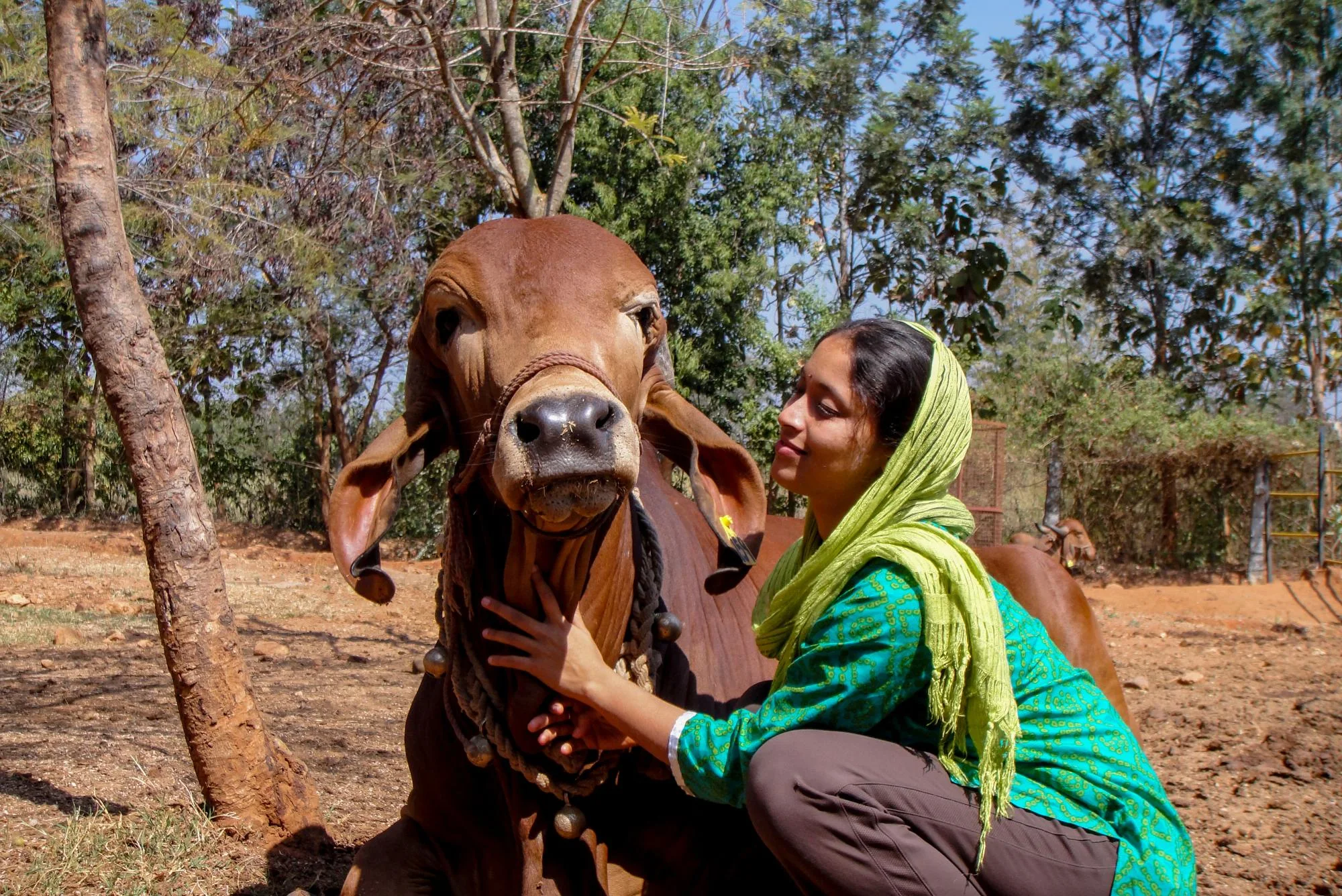
India once had over a hundred varieties of indigenous cows. Today, only about 40 recognised breeds remain — and many are on the verge of extinction. Urbanisation has eaten into grazing lands. Cross-breeding with foreign breeds for short-term milk yields has weakened the gene pool. Cows that stop producing milk are abandoned or sent to slaughter.
This is not just an animal welfare problem. Indigenous cows produce A2 milk, which is easier to digest and richer in nutrients than the A1 milk from crossbred cattle. Their dung and urine are the backbone of natural farming — used as fertiliser, pesticide, and in Ayurvedic medicine. Their role in Vedic rituals, in village economies, and in the cultural fabric of India is irreplaceable.
When we lose a breed, we lose a living piece of India's agricultural and spiritual heritage.
Inspired by Gurudev Sri Sri Ravi Shankar
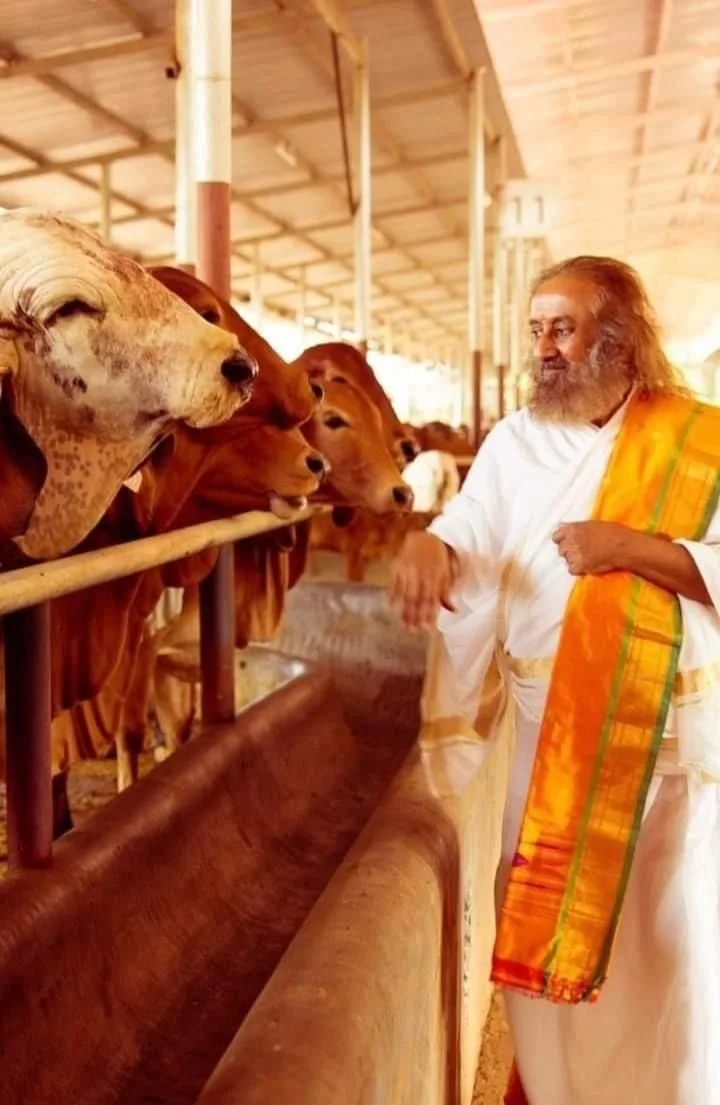
"Caring for cows is not just a tradition — it is a path to peace, prosperity, and spiritual fulfilment."
Sri Sri Gaushala is guided by the vision of Gurudev Sri Sri Ravi Shankar, founder of the Art of Living Foundation, present in over 150 countries. His teaching is straightforward: true service lies in caring for all living beings and nurturing the environment that sustains us. Maintaining a healthy cow-to-human ratio, he says, is essential for India's prosperity.
What Happens at the Gaushala
Preserve Indigenous Breeds
Home to Indian breeds like Gir, Kankrej, Sahiwal, Ongole, Hallikar, and Tharparkar. Cows are never forced for milk or labour and live freely in a natural environment. Breeding is carefully managed — family history is studied before mating to maintain pedigree.
Support Farmers
Purebred cows and Nandi bulls are gifted to rural and tribal farmers, helping them revive traditional farming and become self-reliant, along with hands-on training in Panchagavya-based natural farming. In Gujarat's Dang district and MP's Kukshi Tehsil, gifted bulls have helped farmers return to natural farming with healthier soil and better harvests.
Care for Elderly and Rescued Cows
Abandoned, injured, and elderly cows receive special attention with dedicated spaces for rest, nutrition, and medical care. No cow is turned away based on age or productivity.
Daily Rituals and Homas
Agnihotra and Mahamrityunjaya homa are performed daily using in-house cow ghee and dung sticks. These rituals purify surroundings, contribute to environmental health, and attract diverse bird species to the gaushala.
Cow-Based Products and Green Energy
A2 ghee, gobar diyas, dhoop sticks, organic compost, Panchagavya kits, and floor cleaners are handcrafted using traditional methods by local women-led teams. Biogas production from cow dung meets energy needs.
Guided Tours and Seva
Visitors can learn about indigenous breeds, groom and feed cows, and engage in Gau Seva. Schools, colleges, and eco-conscious groups are welcome. Birthdays and auspicious days can be celebrated by donating fodder or sponsoring special pujas.
Sri Sri Gaushala in Numbers
Where We Are
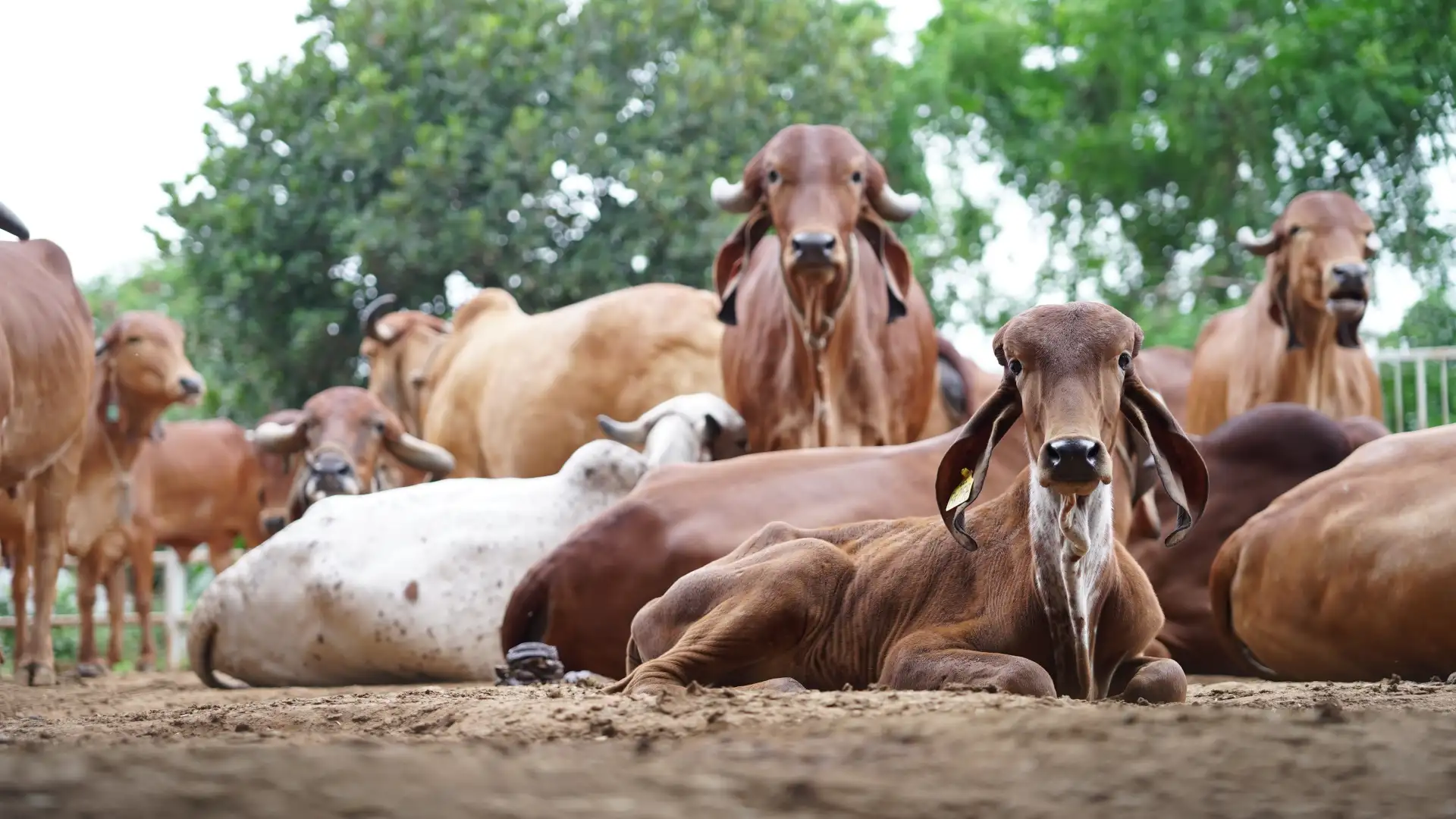
Bengaluru, Karnataka (Main Gaushala)
Art of Living International Center, 21st KM Kanakapura Main Road, Udayapura Post, Bengaluru 560082
View on Map →
Every Donation Creates a Ripple of Goodness
With over 1,600 cows in the Bangalore gaushala alone, the daily responsibility is real — feeding, medical care, shelter maintenance, staff wages, and product development. Here is how your contribution is put to use.
| Area | What Your Donation Supports |
|---|---|
| Fodder & Nutrition | High-quality grass, natural supplements, and grains — served three times a day |
| Medical Care | Veterinary visits, surgeries, medicines, and vaccinations for elderly, injured, and rescued cows |
| Hygiene & Shelter | Daily cleaning, shed repair, shade netting, floor upgrades |
| Cow Care Staff | Fair wages for caretakers, most from rural communities |
| Cow-Based Products | Handcrafted gobar diyas, dhoop sticks, organic compost, Panchagavya kits |
| Outreach & Education | Tours, school visits, awareness programs, and farmer training |

Radha, a 12-year-old Gir cow, was abandoned after she stopped producing milk. Found limping with a deep wound, she was rescued and brought to the gaushala. After weeks of medical care, she now walks freely and lives peacefully among the herd. Your donations make rescues like this possible every day.
Your Seva, Their Shelter
Our cows cannot speak. But your seva speaks louder than words. Whether it is Rs 500 or Rs 50,000, every contribution becomes life-saving care for an indigenous cow.
Your donation supports areas like:
Gau Seva
Daily feeding, shelter, and wellbeing of our cows
Annadaan
Fodder, supplements, and nutrition for the herd
Medical Care
Veterinary treatments, surgeries, and health drives
Infrastructure
New shelters, expanded grazing land, better facilities
Corporate & CSR
Partner your organisation with cow protection and rural upliftment
Donations are eligible for tax exemption under Section 80G of the Income Tax Act.
Become a Gau Sevak
Visit the gaushala at the Art of Living International Center, Bengaluru. Walk among the cows, learn about indigenous breeds, feed them, groom them, or simply sit in their peaceful company.
You can volunteer daily or for just a few hours a week. Seva activities include grooming cows, cleaning sheds, helping with product-making, digital promotion, and record-keeping.
Schools, colleges, and eco-conscious groups are welcome for educational visits. You can also celebrate birthdays or auspicious days at the gaushala by donating fodder or sponsoring a puja — book in advance through the contact form.
