River Rejuvenation: Innovative and Scalable

River Rejuvenation

Bringing 75 rivers, streams, and tributaries back to life across 8 states.

Home > Social Projects > Water Conservation > River Rejuvenation

Why Rivers Are Dying — and How We Bring Them Back

The cost of rapid development, deforestation, and an ever-increasing demand for water has been paid by India's rivers. Some have disappeared from our maps. Loss of forest cover has reduced the natural recharge of water tables. Silt deposits have choked river beds, reducing their water-carrying capacity. Agricultural runoff, construction along basins, and the disrupted hydrological cycle have all contributed to reduced river flow, soil erosion, and fragile ecosystems.

Since 2013, thousands of Art of Living volunteers have worked to reverse this decline. The river rejuvenation programme identifies the factors affecting river flow and then activates and accelerates the natural process: overland flow, soil moisture restoration, groundwater recharge, and inflow to water bodies and stream networks.

The work spans 8 states:

KarnatakaMaharashtraTamil NaduUttar Pradesh Andhra PradeshPunjabTelanganaMadhya Pradesh

River Rejuvenation at a Glance

75
Rivers, Streams and Tributaries Being Rejuvenated
1.08 Lakh+
Recharge Structures Constructed
17,402 Crore+
Litres of Water Conserved
3.45 Crore+
People Benefitted
174.52 Crore+
Litres of Water Conserved (till May 2025)
59,000+
Sq Km Area Influenced
20,000+
Villages Covered
9.12 Crore+
Trees Planted Along River Basins
6.5 Lakh+
Days of Rural Employment Generated

How We Rejuvenate Rivers

River rejuvenation is not a single intervention. It requires a combination of methods, applied in sequence based on site conditions. Each method addresses a different part of the water cycle.

Community Mobilisation and Capacity Building

Training local volunteers, enrolling farmers, and building village-level ownership of the conservation effort. The programme generates 6.5 lakh days of rural employment.

Groundwater Recharge Structures

Boulder checks, recharge shafts, recharge wells, recharge borewells, and sub-surface dykes, each suited to different terrain and geology.

Area and Drainage Line Treatment

De-silting river beds and nalas to restore water-carrying capacity. The nutrient-rich silt removed from river beds is used as a soil enricher on farms.

Afforestation

Planting native tree species along river basins to stabilise soil, prevent erosion, and increase groundwater recharge. Over 9.12 crore trees planted to date.

Soil Conservation

Deep contour trenches, contour bunds, and earthen bunds to arrest soil erosion and increase soil moisture in areas with low rainfall and steep slopes.

Sustainable Agriculture

Supporting farmers to adopt water-efficient practices that work alongside the restored water systems.

What We Build

boulder-check

Boulder Check

Stone barriers built across drainage lines to reduce the speed of rainwater runoff, increase soil moisture, and reduce erosion.

Recharge Shafts

Recharge Shafts

Vertical structures placed inside ponds for rainwater harvesting. Water flows in through the pond surface and percolates down through a natural filter to depths of up to 100 feet.

Recharge Wells

Recharge Wells

20-foot-deep structures with one-metre diameter concrete rings, filled with jelly and gravel material. Placed along stream networks, they accelerate the natural process of groundwater recharge.

Recharge Borewells (Injection Wells)

Recharge Borewells (Injection Wells)

Shallow borewells drilled to 80-100 metres that act as point recharge structures, augmenting groundwater into dried-up fracture zones and lineament areas.

Sub-Surface Dykes

Sub-Surface Dykes

Underground barriers built in the active channel below ground level. They prevent base flow from moving downstream and raise water levels on the upstream side.

Deep Contour Trenches

Deep Contour Trenches

Trench-and-bund structures used in areas with less than 750 mm annual rainfall and slopes of 8% or less. They arrest soil erosion and increase soil moisture. Variants include farm bunds, contour bunds, and earthen bunds.

De-Silting

De-Silting

Removal of silt deposited on river beds over decades. Silt reduces water-carrying capacity and slows percolation. De-silting restores the river's depth and flow. The silt itself is nutrient-rich and is distributed to farms as a natural soil enricher.

Farm Ponds

Farm Ponds

Small water pools constructed where streams meet existing tanks. They minimise evaporation losses, collect subsurface flow, and maintain water availability for human, cattle, and ecological needs. Also called "micro eco-restoration cells."

Where We Work

Karnataka map

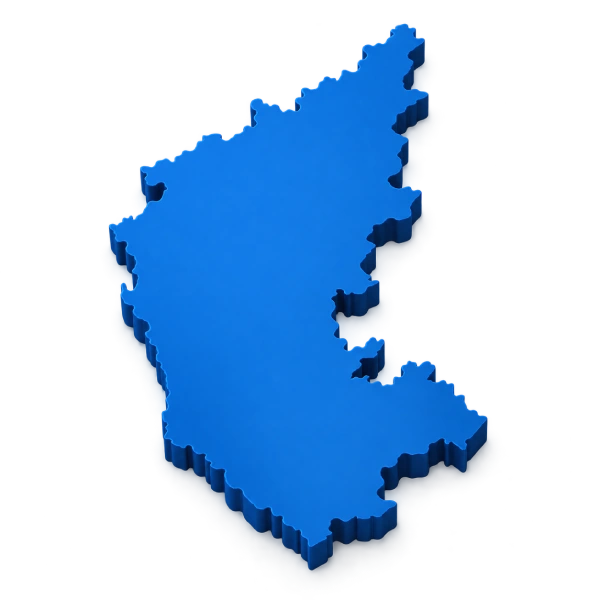
Karnataka

MetricNumber
Rivers/streams being rejuvenated22
Recharge structures built34,000+
Trees planted15,57,000+
Villages benefitted13,000+
Area covered96,685+ sq km
tamilnadu-map

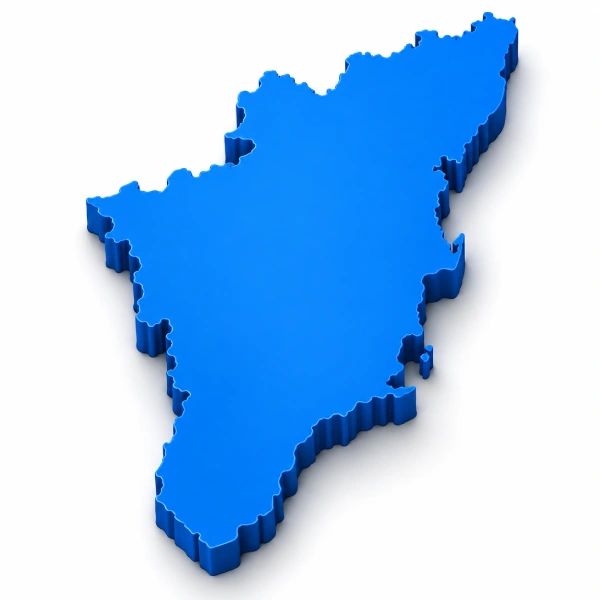
Tamil Nadu

MetricNumber
Rivers/streams being rejuvenated24
Recharge structures built65,000+
Villages benefitted1,400+
Lives impacted4,84,000+
Area impacted18,085+ sq km
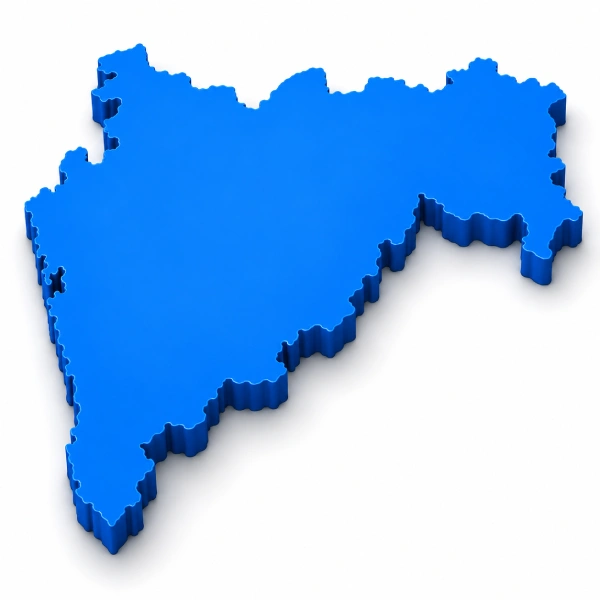
maharashtra map

Maharashtra

MetricNumber
Rivers/streams being rejuvenated37
Structures built23,600+
Trees planted7,28,900+
People benefited20,75,000+
Districts covered27
Cubic metres desilted2,39,29,900+
Area influenced941+ sq km
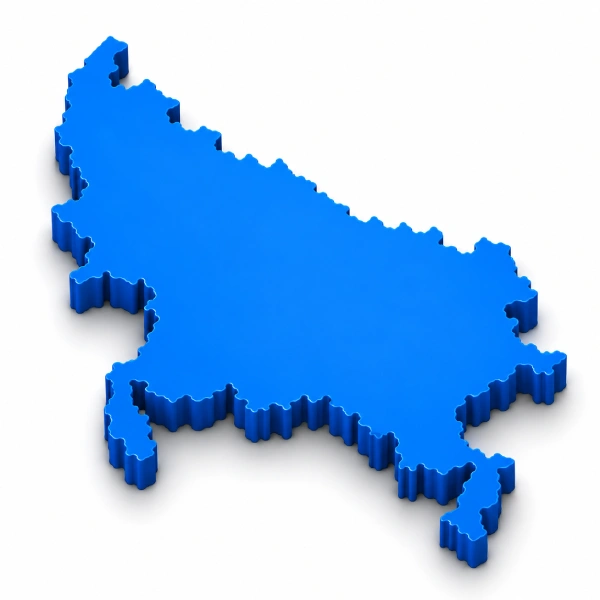
Uttar Pradesh map

Uttar Pradesh

MetricNumber
People in water literacy programmes6,500+
Recharge shafts built (in 56 ponds)141+
Villages benefited41
Sub-surface dykes1

Notable project: Haiderpur Wetland conservation at India's 47th Ramsar Site (see the Haiderpur Wetland page).

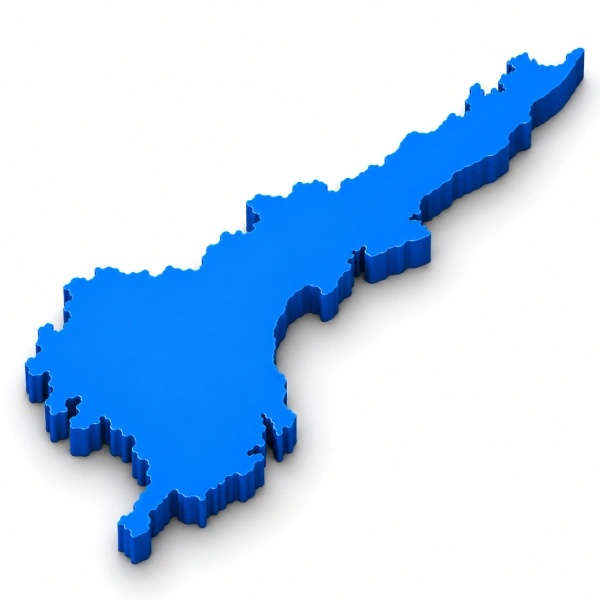
Andhra Pradesh map

Andhra Pradesh

River rejuvenation work has been started in the Penna and Papagani river basins in Cuddapah and Ananthapur districts.

Other States

Work is in progress or under discussion in Punjab, Telangana, and Madhya Pradesh.

The Difference on the Ground

Bhada Nala De-Silting

Bhada Nala before de-silting
Bhada Nala after de-silting

Manjara River De-Silting

Manjara River before de-silting
Manjara River after de-silting

Rivers Reborn

Tamil Nadu - The Story of Naganadhi
Dry for decades. Flowing again since 2023.

The Naganadhi river in Vellore District, Tamil Nadu had been dry for decades. No one alive in the surrounding villages remembered it flowing.

In 2020, The Art of Living began work on its revival. Over 44,000 rural women from surrounding villages joined the effort, participating in de-silting, building recharge structures, and planting trees along the river basin. Over 2,50,100 seeds were sown along the banks, an effort that earned official recognition from the World Records Union.

After 1,095 days of sustained work, the Naganadhi began flowing. As of August 2024, it has flowed continuously for over three years, bringing water back to villages that had gone without it for generations.

The achievement was recognised nationally: Shri Chandrashekar Kuppan, The Art of Living's Tamil Nadu State Director for River Rejuvenation, was invited by PM Modi's Mann Ki Baat team to participate in the 75th Republic Day Parade in New Delhi in January 2024.

Karnataka - The Revival of Kumudvathi

The overexploited catchment area of Kumudvathi watershed in Karnataka witnessed ecosystem restoration through tree planting and the construction of recharge systems by the Art of Living Social Projects Team. More than 2,500 structures were built, benefiting over 190,000 people across 200+ villages. Additionally, more than 86,000 trees were planted, creating a positive environmental impact. A trial run of IoT-based water-level sensing was conducted in six villages, enabling optimal water utilisation and helping maintain river basin balance.

Bundelkhand - The River Revati Flows Again

In Bundelkhand’s rugged terrain, where drought and flood have long battled for dominance, The Art of Living Social Projects’ water work has turned despair into renewal.

With support from Hindustan Aeronautics Limited (HAL), Ashirvad Pipes, and local administrations, teams have built 238 recharge structures across Lalitpur district. Government data shows groundwater levels rising by 5 to 6 feet in parts of Birdha block. The most inspiring milestone is the revival of the Revati River - once forgotten, now flowing again through six gram panchayats.

What began in 2022 with just two recharge shafts has now grown into 246 structures, restoring both the water table and the spirit of the community. Farmers are also moving away from water-guzzling eucalyptus trees and planting native neem and jamun, improving both soil health and biodiversity.

Over 16,000 villagers have attended Jal Jagrukta Shivir (Water Awareness Camps), discovering how everyday habits affect water sustainability. In Magermau, Rampur, a pond revived through recharge shafts now sustains cattle and crops year-round - a simple but powerful shift in local life.

This blend of science, community participation, and compassion has drawn recognition from both the Ministry of Jal Shakti and the Ministry of Rural Development.

Radhakunj Lake Restoration

Reviving Urban Water Ecosystems Through Nature-Based Solutions
Location : The Art of Living International Center, Bengaluru, Karnataka

radhakunj

About the Project

Radhakunj Lake, located within The Art of Living International Center in Bengaluru, is an important freshwater ecosystem that supports birds, aquatic life, and local biodiversity. However, pollution from domestic and industrial wastewater entering through upstream streams has deteriorated the lake's water quality, threatening its ecological balance.

Vyakti Vikas Kendra India (VVKI) is undertaking restoration efforts at Radhakunj to improve water quality, address pollution, and protect this valuable freshwater ecosystem through nature-based solutions and scientific water management.

Restoration in Progress

The initiative combines ecological restoration with practical interventions designed to improve the quality of water flowing into the lake.

Key interventions include:

Constructed Wetland: Using plants, natural filtration media, and microorganisms to help remove pollutants from water.

Stream Restoration: Removing accumulated silt and debris to improve water flow.

Boulder Checks and Weirs: Slowing water flow and supporting sediment retention and natural filtration.

Biological Treatment: Using suitable plants and microorganisms to help reduce pollutants.

Water Quality Monitoring: Assessing water quality to evaluate the effectiveness of restoration measures.

Ecological Protection: Stabilising stream banks and supporting healthier aquatic habitats.

Towards a Healthier Lake

The restoration initiative aims to improve water quality, increase dissolved oxygen levels, reduce pollution and unpleasant odours, and support the recovery of aquatic life and biodiversity.

By integrating nature-based solutions with scientific monitoring, the project seeks to demonstrate a sustainable approach to urban waterbody rejuvenation that can inform similar environmental initiatives elsewhere.

Restoring Nature, Sustaining Life

Radhakunj reflects VVKI's commitment to protecting freshwater resources, restoring ecological balance, and developing sustainable solutions to environmental challenges.

Every step towards cleaner water is a step towards a healthier planet.

Restoring Green Cover

Tree plantation is central to every river rejuvenation project. Native species are chosen to stabilise soil, support biodiversity, and improve the microclimate around water bodies.

Guttahalli Hills, Palar River Basin (Karnataka)

30,000 saplings of over 20 native tree species have been planted across 60 hectares of Gomala lands, part of a broader 70+ hectare restoration effort.

Manjra River Basin (Latur, Maharashtra)

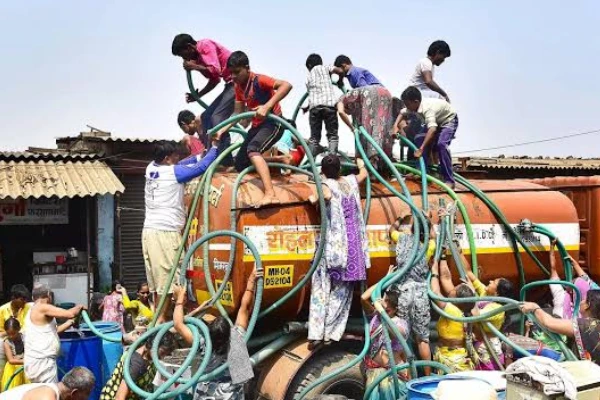
Groundwater levels had dropped to 500 feet during the 2016 drought. Over 30,000 trees now thrive following extensive rejuvenation and plantation work. The region once required daily water delivery by 125 tankers and emergency trains.

Kale Belgunda Village (Karnataka)

Over 3,000 plants have been integrated into agroforestry practices to improve green cover and soil moisture, with an additional 1,400 plants for horticulture, creating an alternative income stream for farmers.

The Water Champions

Pioneering change from the ground up

Meet the dedicated leaders driving our massive water conservation initiatives. Through scientific innovation, community mobilization, and decades of tireless service, they are rewriting the ecological future of our nation.

Dr. Lingaraju Yale

National Director, River Rejuvenation

A prominent Indian geo-hydrologist and the National Director for River Rejuvenation Projects at the Art of Living.

  • Former Director, Karnataka State Remote Sensing Applications Centre and the Geomatics Centre (Govt. of Karnataka)
  • 5 decades in water resources management and geo-hydrological investigation
  • Science-driven river revival across Karnataka, Maharashtra, Tamil Nadu, and Kerala
Read full profile

He served as Director of the Karnataka State Remote Sensing Applications Centre and Director of the Geomatics Centre for the Water Resource Development Organisation (Government of Karnataka). With an experience of 5 decades in water resources management, geo-hydrological investigations, remote sensing, and GIS applications, he conceived and leads science-driven river and water-body revival projects across India (including the Kumudvathi River near Bengaluru and the Suvarnamukhi River project) targeting dozens of rivers in states like Karnataka, Maharashtra, Tamil Nadu, and Kerala.

Mahadev Gomare

Project Lead, Maharashtra

Widely known as the Water Man of Latur: an environmental activist, farmer, and project lead for The Art of Living River Rejuvenation Project in Maharashtra.

  • Leads Jal Jagruti Abhiyaan, reviving dried-up water bodies, rivers, and tributaries
  • Manjara River work helped hundreds of thousands of people across hundreds of villages
  • Trains thousands of farmers in zero-input natural farming
Read full profile

His team worked on desilting and managing the Manjara River and its network, helping hundreds of thousands of people across hundreds of villages.

Since 2013, he has promoted watershed development, rift-valley treatments, compartment bunding, and recharge wells to fix the depleting groundwater table in the drought-hit Latur district. He trains thousands of local and marginal farmers in zero-input natural farming, crop diversification, and agroforestry to help them break free from chemical dependency and debt.

Chandrashekhar Kuppan

Team Coordinator, Tamil Nadu

Key leader and team coordinator for the River Rejuvenation Project in Tamil Nadu, best known for spearheading the revival of the long-dry Naganadhi River.

  • Revived the 48 km Naganadhi catchment (366 sq. km), dry for over 15 years
  • 42,000 to 44,000 rural participants, mostly women, mobilized under MGNREGA
  • River now flows perennially for hundreds of days
Read full profile

He successfully mobilized and led a grassroots effort in the Vellore and Tiruvannamalai districts of Tamil Nadu to revive the 48 km-long Naganadhi River catchment area (366 sq. km), which had been dry for over 15 years. The project heavily relied on organizing and training thousands of local rural women, spanning over 42,000 to 44,000 participants, under the Mahatma Gandhi National Rural Employment Guarantee Act (MGNREGA). Under his leadership, the community constructed thousands of recharge wells (with in-house built concrete rings) and boulder check dams to capture rainwater and slow runoff. The intervention raised local groundwater levels significantly (from 1 meter down to 8 meters) and allowed the Naganadhi River to flow perennially for hundreds of days.

Awards and Recognition

The Art of Living and Vyakti Vikas Kendra India (VVKI) have been recognized at the highest national levels for transforming India’s water landscape. Our deep-rooted commitment to water conservation and river rejuvenation has earned prestigious national accolades, including top honours from the Ministry of Jal Shakti. These awards celebrate the dedication of our volunteers and communities who are bringing dying ecosystems back to life.

view more

Testimonials - Stories of Change

The true measure of our impact lives in these voices. From barren fields to flourishing crops, hear directly from the rural communities and farmers whose lives have been transformed by our water conservation efforts across India.